Breaking the Silence: Recognizing Suicide Prevention Awareness Month
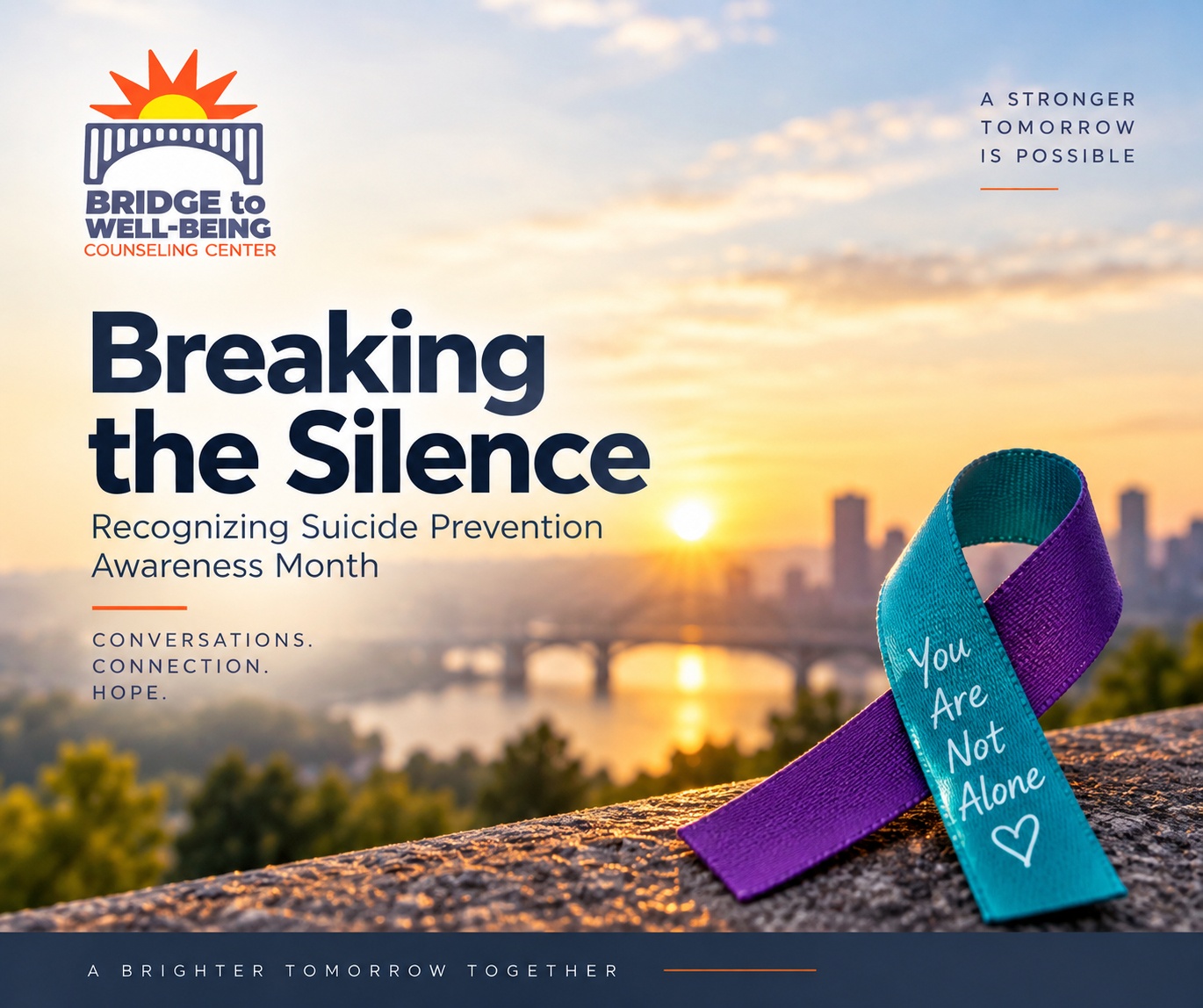
September is Suicide Prevention Awareness Month, an important time to open conversations about mental health, learn the warning signs that someone may be struggling, and remind one another that support is available.
Talking about suicide can be difficult. Stigma, fear, and uncertainty about what to say can sometimes keep people from having conversations that matter. Suicide Prevention Awareness Month gives us an opportunity to make those conversations a little easier and remind people that they do not have to carry difficult feelings alone.
You also do not have to be a mental health professional to care, listen, and help someone connect with support.
Why Suicide Prevention Awareness Month Matters
Suicide can affect people from all backgrounds, ages, and walks of life. Behind every statistic are real people, including our friends, family members, coworkers, neighbors, and members of our communities.
Creating space for honest conversations about mental health can help reduce stigma and make it easier for someone to talk about what they are experiencing.
Sometimes that starts with something as basic as checking in.
Asking someone how they are really doing and taking time to listen can communicate something important: You matter, and you do not have to handle this alone.
Recognizing Suicide Warning Signs
Knowing some of the potential warning signs of suicide can help us recognize when someone may need additional support.
Warning signs may include:
- Talking about feeling hopeless or being a burden to others
- Withdrawing from friends, family, or activities they normally enjoy
- Significant changes in mood or behavior
- Increased substance use or reckless behavior
- Giving away valued possessions
- Talking about death, wanting to die, or having no reason to live
Not everyone experiencing suicidal thoughts will show the same warning signs, and noticing one of these behaviors does not necessarily mean someone is considering suicide. However, significant changes or concerning statements should be taken seriously.
If you are concerned about someone, it is okay to ask directly whether they are thinking about suicide. Having a direct and compassionate conversation can create an opportunity for that person to share what they are experiencing and connect with appropriate support.
How You Can Support Someone
You do not need to have all the answers to be supportive.
Check in. Send a text, make a call, or spend some time with someone you are concerned about. Ask how they are doing and give them an opportunity to answer honestly.
Listen without judgment. You may not know exactly what to say, and that is okay. Sometimes being willing to listen is more important than trying to solve the problem.
Help connect them with support. Encourage someone who is struggling to talk with a mental health professional or connect with an appropriate crisis resource. If there is an immediate safety concern, seek emergency or crisis support.
Take care of your own mental health, too. Supporting someone else can be difficult, and your own wellbeing matters. Make time for rest, boundaries, connection, and professional support when you need it.
Mental Health Support Is Available
Sometimes people wait to seek counseling because they believe things need to become overwhelming or reach a crisis point before asking for help. They do not.
Counseling can provide a supportive space to talk about depression, anxiety, stress, grief, relationship concerns, major life changes, and other challenges affecting emotional wellbeing.
At Bridge to Well Being Counseling Center, our clinicians work with individuals to better understand what they are experiencing, develop healthy ways of coping, and identify strategies for moving forward.
Seeking mental health support is not something that has to wait until a crisis.
Immediate Support and Crisis Resources
If you or someone you know is experiencing a mental health crisis or having thoughts of suicide, immediate support is available.
- 988 Suicide & Crisis Lifeline: Call or text 988
- Crisis Text Line: Text HOME to 741741
- Veterans Crisis Line: Call 988 and press 1, or text 838255
- The Trevor Project: Crisis support is available for LGBTQ+ young people
If there is an immediate danger or medical emergency, call 911 or go to the nearest emergency department.
Suicide Prevention Awareness Month reminds us that conversations about mental health should not be limited to September. Checking in, listening without judgment, sharing resources, and encouraging someone to seek support can all help create a community where people feel safer talking about what they are experiencing.
No one should have to navigate difficult moments alone.